






Onimusha: Way of the Sword arrives at an unusual moment. Capcom has brought one of its classic action series back after a long gap, but it is not trying to copy the exact structure of the older games. Instead, the new entry mixes deliberate sword combat, cinematic presentation, supernatural horror, semi-open exploration, and modern progression systems. The result is a game that feels familiar in spirit while clearly being built for players in 2026.
This review is spoiler-light and focuses on the questions that matter before you spend your money or time: Is the combat deep enough to stay interesting? Does exploration feel rewarding? Is the story easy to follow? How demanding is the difficulty? And, most important, who is this game actually for?
According to Capcom, the game follows Miyamoto Musashi through a twisted version of Edo-period Kyoto where demonic Genma have spread fear and destruction. It launched on September 4, 2026, making it one of the freshest major action releases of the month.
Quick verdict
Onimusha: Way of the Sword is strongest when it puts a blade in your hand and asks you to read an enemy carefully. Parries, counters, spacing, and quick decisions make normal encounters feel more deliberate than a standard button-mashing action game. Boss battles are the clear highlight because they force you to use the systems instead of ignoring them.
The weaker parts are easier to notice outside combat. Some side activities feel repetitive, the environment does not always reward curiosity, and progression can occasionally feel busier than it needs to be. Even so, the core swordplay is strong enough to carry the game for players who enjoy methodical action.
What kind of game is Onimusha: Way of the Sword?
This is a single-player swordplay action game with dark fantasy elements. You explore a corrupted Kyoto, fight Genma, collect resources, improve your combat options, solve light environmental problems, and face larger enemies that test timing and pattern recognition.
It is easy to compare the game with Sekiro because both reward precise defensive timing, but the feel is different. Onimusha is more theatrical and often more flexible. You are encouraged to block, deflect, reposition, use special tools, and turn an enemy opening into a fast burst of damage. It does not demand that every player approach combat in one exact way.
Does it feel like old Onimusha?
Yes in mood and combat focus, but not in structure. Long-time fans will recognize the supernatural samurai identity, demonic enemies, Oni powers, and the importance of timing. At the same time, the new game has larger spaces, more optional tasks, more modern upgrade systems, and a more cinematic pace.
That balance works most of the time. New players do not need deep knowledge of previous games, while returning fans still get the series identity they remember.
Sword combat is the main reason to play
The first thing that stands out is how much the game asks you to watch an enemy. A weak attack can sometimes be interrupted. A heavy strike may need to be avoided. A predictable combo can create a parry chance. Instead of attacking nonstop, you learn to recognize what is safe.
This changes the rhythm of a fight. You may spend two seconds defending, step around a wide swing, land a clean counter, then use an Oni ability before the opponent recovers. Small choices matter, especially against enemies that can punish careless input.
Parries feel rewarding without making blocking useless
A good action system should offer a safe option and a high-reward option. Onimusha generally does that well. Blocking can save you when you are still learning a pattern, while a well-timed deflection creates a stronger opening. That gives beginners room to learn without removing the skill ceiling for experienced players.
A practical way to improve is to stop judging success only by damage. For the first 20 seconds of a new enemy encounter, focus on its animation. Watch which shoulder moves first, how long the weapon pauses before the strike, and whether a combo has a delayed final hit. Once you understand the rhythm, your attacks become safer.
Boss fights are the best test of the system
Bosses are where the design becomes most confident. They are not simply normal enemies with larger health bars. The better encounters have clear phases, new timing windows, movement pressure, and attacks that punish panic.
If you struggle, reduce the problem into smaller tasks. Spend one attempt learning how to survive. On the next attempt, identify one reliable punish window. Then add your special attacks. This approach is more effective than trying to win immediately because it turns a difficult fight into a set of repeatable decisions.
Difficulty: challenging, but not needlessly punishing
Onimusha: Way of the Sword can be demanding, but it gives players more flexibility than many hard action games. Capcom includes difficulty options that let you choose whether you want to focus more on the story or on the combat challenge. That makes the game easier to recommend to people who like the setting but do not want every fight to become a long test.
Players who want a harder experience still have room to push themselves. The important point is that difficulty is tied to learning. The game becomes easier when you recognize animations, use the right tools, and avoid wasting resources.
A useful beginner rule
Do not spend every upgrade as soon as you can afford it. Play long enough to identify your real problem first. If you are taking too much damage because you miss defensive timing, a defensive upgrade may help more than a small attack increase. If regular enemies take too long to defeat, damage or resource efficiency may be the better choice.
Kyoto is atmospheric, but exploration is uneven
The setting is one of the game’s strongest visual ideas. Historic streets, temples, narrow paths, and dark interiors are distorted by supernatural corruption. The best areas create a strong contrast between recognizable human spaces and the unnatural Genma influence.
Exploration works best when it leads to a useful reward, an optional fight, a small story detail, or a shortcut. It works less well when a side route takes time but offers a weak item or another repeated activity. This is where the game sometimes feels like it has adopted modern open-area habits that do not always improve the experience.
How to explore without wasting time
Use a simple priority order. First, check routes that clearly move away from the main objective. Second, investigate places with visible landmarks, enemy guards, or unusual lighting. Third, leave low-value collection work for later if your inventory is already healthy. This keeps exploration useful instead of turning every area into a checklist.
Story and characters: clear purpose, mixed pacing
The central idea is easy to understand: Musashi is pulled into a supernatural conflict as Kyoto is consumed by danger. The story uses historic inspiration but does not pretend to be a realistic retelling. It is dark fantasy, and the game is comfortable mixing known names with demons, mystical powers, and exaggerated combat.
The main character has enough personality to carry the journey, and the cinematic presentation gives major scenes weight. However, the pacing can slow when story scenes, optional tasks, and progression systems stack too closely together. Players who mainly want combat may occasionally feel that the game takes too long to return to the action.
Still, the story does an important job: it gives each major location and confrontation context. You usually know why Musashi is moving forward and what is at stake.
Visuals and art direction
Capcom’s visual work is strongest in character animation, enemy detail, lighting, and the contrast between normal Kyoto and corrupted spaces. Sword impacts feel sharp because animation, sparks, sound, and enemy reactions work together.
Not every area is equally memorable. Some connecting spaces feel functional rather than special. That matters because a combat-heavy game benefits from strong visual variety between battles. Still, the best locations and boss arenas have a clear identity and support the dark historical fantasy tone.
Performance expectations
Performance can vary by platform and display mode, so players should test the available graphics options rather than assuming the highest-quality preset is automatically best. A stable frame rate is especially valuable here because defensive timing matters. If a mode looks slightly sharper but introduces inconsistent motion, the smoother option may produce a better overall experience.
On PlayStation, the game is listed by PlayStation as PS5 Pro Enhanced. PC players should also check the current official requirements and driver notes before changing advanced settings.
Sound design quietly improves the combat
Good sword combat is not only visual. Sound tells you when steel connects, when a defensive action succeeds, when an enemy prepares a dangerous move, and when a major hit lands. Onimusha uses these audio cues well enough that they become part of your timing after a few hours.
If you play with headphones, keep effects loud enough to hear attack cues clearly. You do not need to reduce the soundtrack completely, but combat information should not be buried under music.
Progression: useful choices mixed with some busywork
The progression systems give you reasons to search areas and think about your build. You can strengthen tools that match your preferred approach rather than treating every upgrade as equally important.
The downside is that resource collection and repeated side tasks can occasionally interrupt the clean combat loop. The best strategy is to build around a purpose. Decide whether you want safer defense, faster kills, better resource use, or stronger special abilities. Then spend toward that goal.
Example build approach for a cautious player
A cautious player might first invest in survivability, resource efficiency, and tools that create safe openings. Once defensive consistency improves, later upgrades can shift toward damage. An aggressive player can do the opposite, but only if they are comfortable with parry timing. The system becomes more useful when your upgrades solve a real gameplay problem.
How long does it stay interesting?
The campaign has enough encounter variety and major battles to support a full playthrough, but the replay value will depend on how much you enjoy mastering the combat. Players who only want to see the story may stop after the credits. Players who like improving timing, trying stronger difficulty options, and experimenting with builds have more reason to return.
This is not a game where endless content is the main selling point. Its value comes from the quality of the core action. That is a positive if you prefer a focused single-player game instead of a permanent live-service routine.
What Onimusha: Way of the Sword does well
- Precise sword combat rewards patience and skill.
- Boss fights make good use of parries, spacing, and pattern learning.
- The Edo-period Kyoto setting gives the game a strong identity.
- Difficulty options make the experience more approachable.
- Character animation and impact effects make fights feel physical.
- The game works as an entry point for players new to Onimusha.
Where it could be better
- Some side activities repeat ideas too often.
- Not every exploration reward feels worth the detour.
- Progression can feel busier than the direct combat system needs.
- Some connecting areas are less memorable than the best locations.
- Players who dislike timing-based combat may find the core loop tiring.
Who should buy it?
Consider Onimusha: Way of the Sword if you enjoy single-player action games where learning enemy behavior matters. It is a good fit for players who like sword combat, boss fights, Japanese historical fantasy, and a campaign with a clear beginning and end.
You may want to wait for a sale if you mainly want open-world exploration, large amounts of optional content, or simple hack-and-slash combat. The game is at its best when you engage with its defensive timing and combat systems.
For Sekiro fans
You will recognize the satisfaction of reading an attack and answering it at the correct moment, but do not expect a direct clone. Onimusha has its own pacing, tools, spectacle, and progression.
For classic Onimusha fans
The modern structure may feel broader than the older games, but the supernatural samurai identity is still central. The return is more of an evolution than a museum-style recreation.
For action-game beginners
Use the more forgiving difficulty, block before you learn to parry, and treat bosses as pattern exercises. You do not need to master every advanced option in the opening hours.
Practical tips before you start
- Prioritize stable performance. Smooth motion helps defensive timing more than a small visual upgrade.
- Learn one enemy at a time. Do not rush into a group before you know the basic attack patterns.
- Use blocking as a learning tool. Parries are stronger, but blocking gives you time to understand timing.
- Spend upgrades with a goal. Improve the system that solves your current weakness.
- Explore selectively. Follow meaningful side routes without turning every room into a collection chore.
- Save difficult optional fights for later. Returning with better tools can be more efficient than forcing a win early.
Visual reference gallery
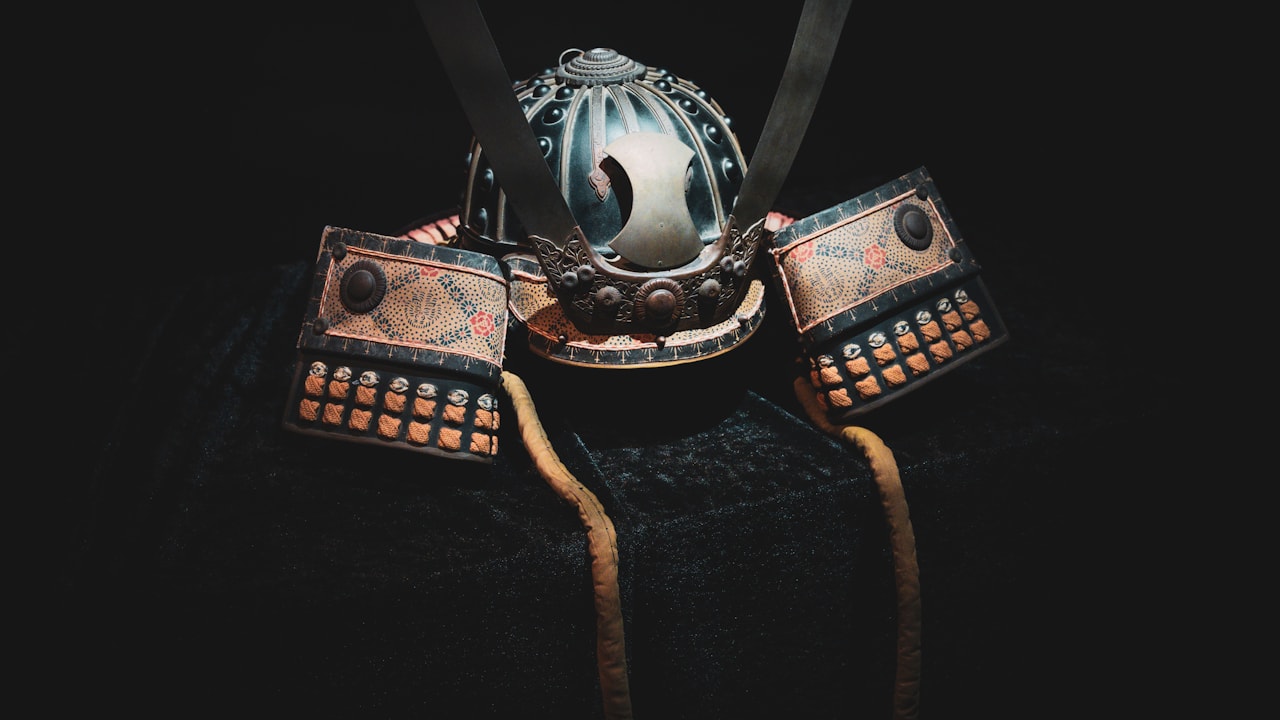
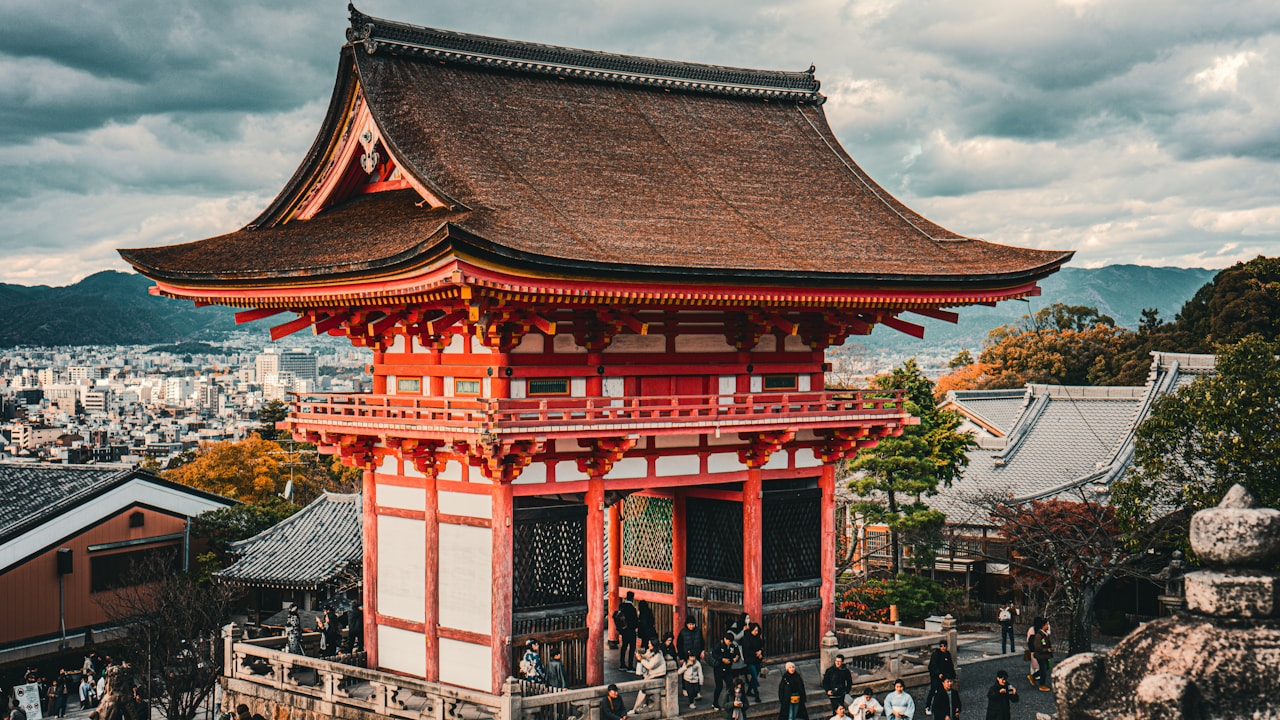
These editorial visuals illustrate the setting and hardware concepts discussed above; they are not in-game screenshots.


Final verdict
Onimusha: Way of the Sword succeeds because its most important system is also its most enjoyable one: sword combat. The game asks you to pay attention, rewards clean timing, and gives boss battles enough pressure to make improvement visible. When you lose, you can usually identify the mistake. When you win, it often feels earned.
The surrounding structure is less consistent. Some side content and progression systems add useful depth, while others feel like extra layers around a combat loop that already works. Exploration can be atmospheric without always being rewarding.
For players who want a focused 2026 action game with deliberate melee combat, supernatural enemies, and a strong Japanese setting, this is an easy game to consider. It is not perfect, and it does not need to be. The important point is that Capcom has brought Onimusha back with a clear gameplay identity rather than relying only on nostalgia.
If your main question is simply “Is Onimusha: Way of the Sword worth playing?”, the answer is yes for players who enjoy timing-based action and challenging boss fights. If you prefer relaxed exploration or constant fast attacks with little defensive planning, watch gameplay first and decide whether the combat rhythm suits you.